
Our Services
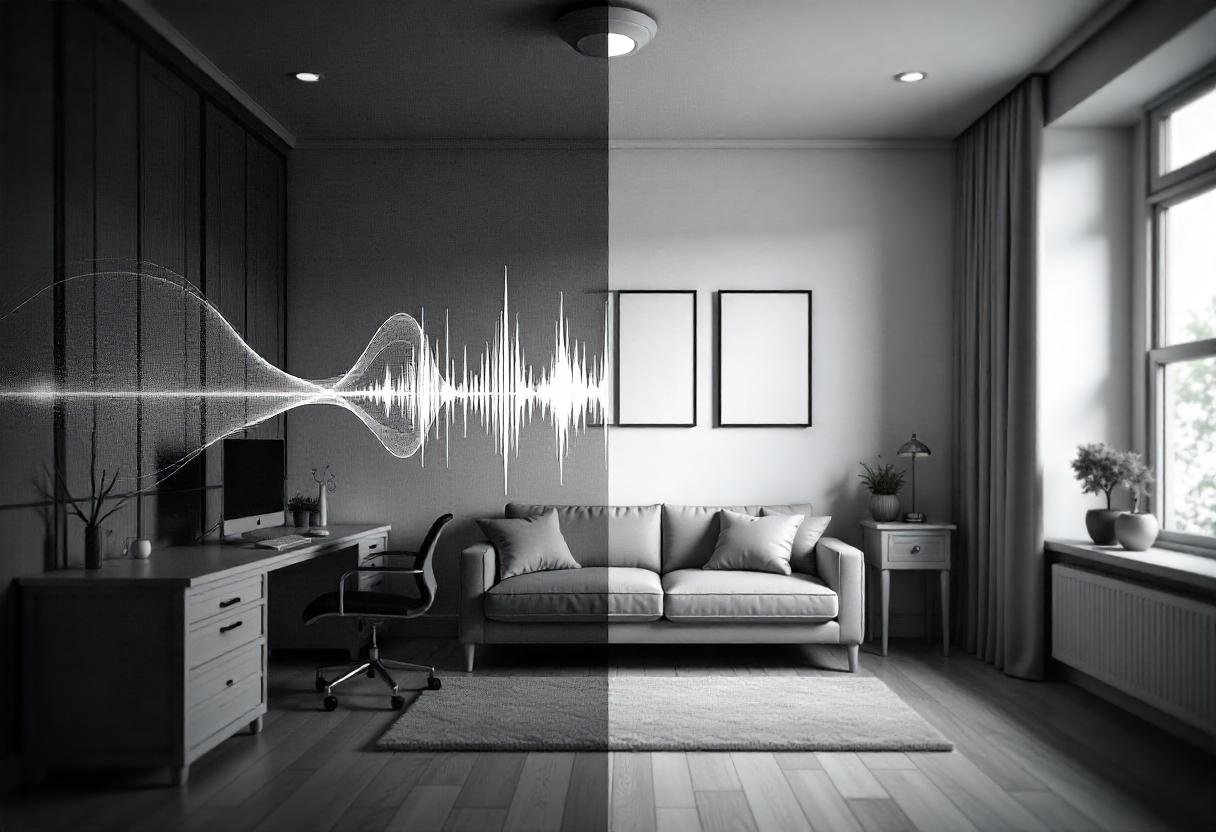
Soundproofing
We take the time to understand your acoustic challenges, measure noise levels if needed, and set clear goals.
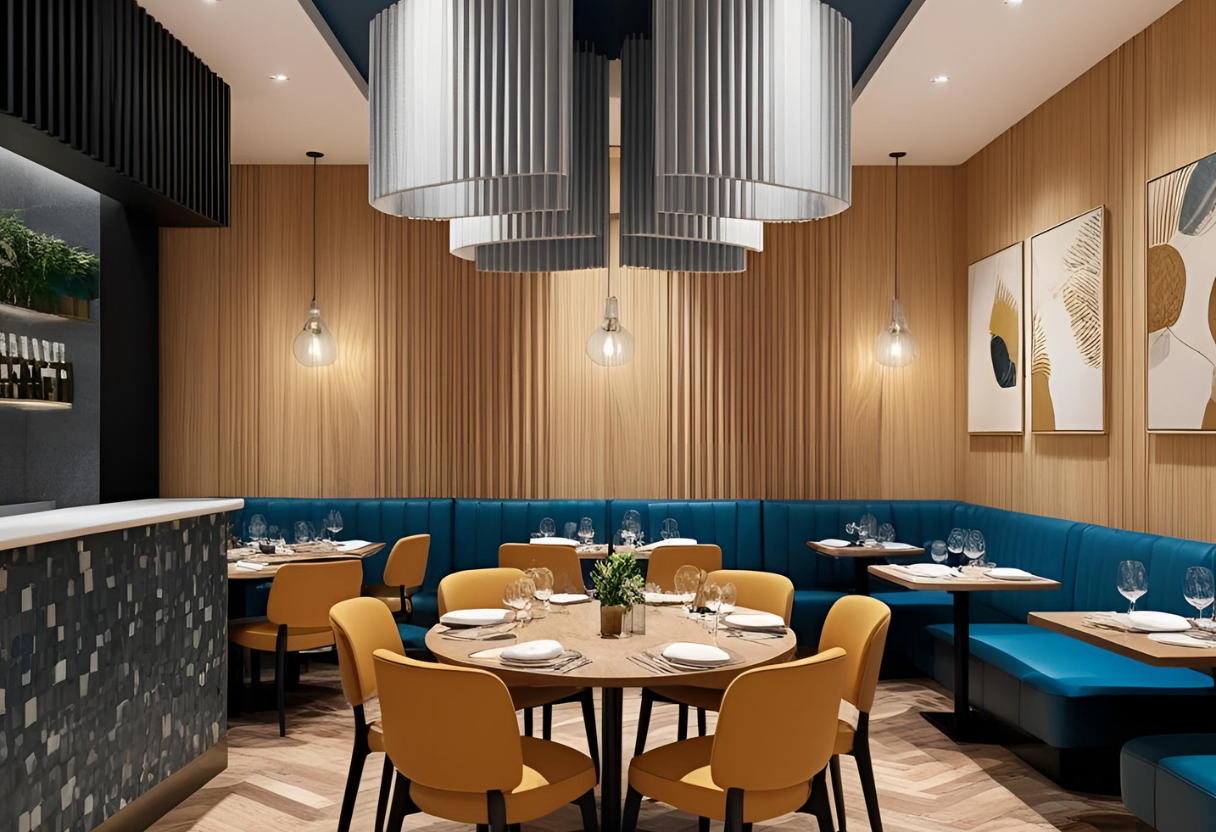
Acoustic Treatment
We take the time to understand your acoustic challenges, measure noise levels if needed, and set clear goals.
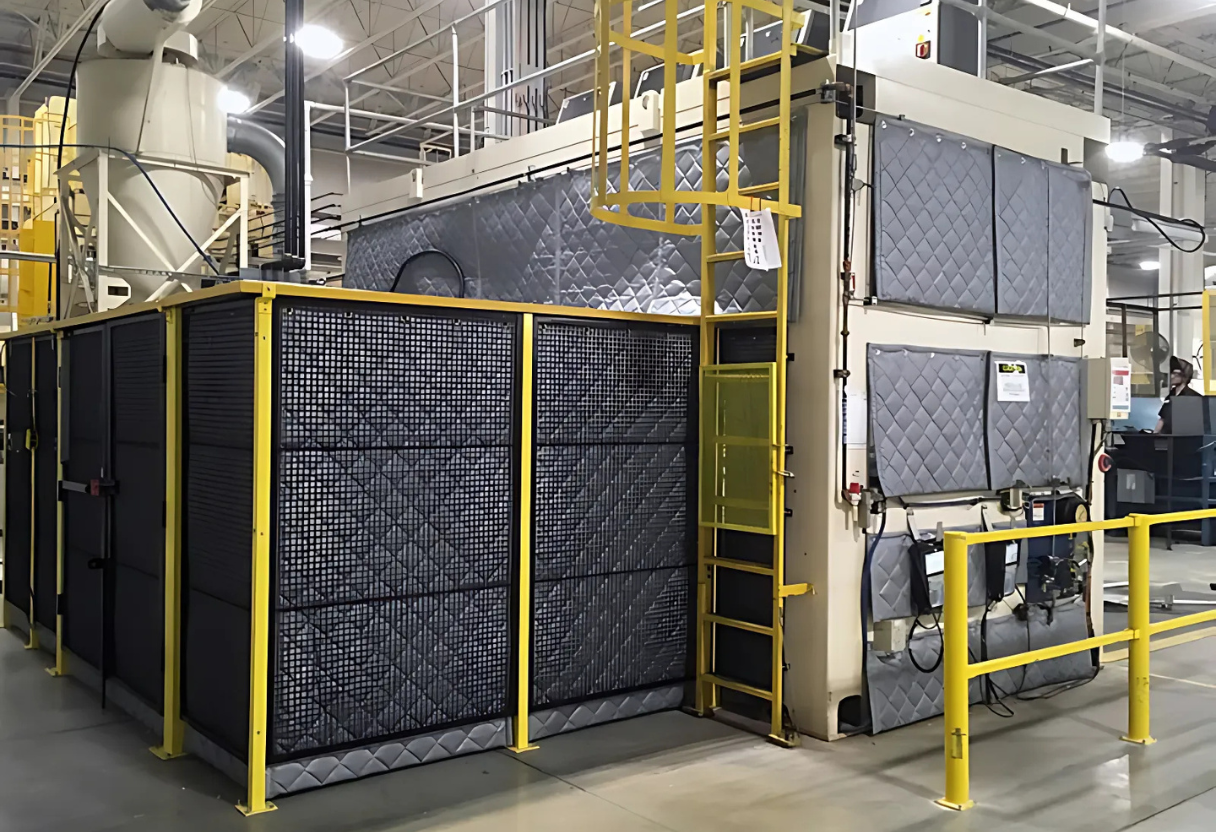
Noise Control
We take the time to understand your acoustic challenges, measure noise levels if needed, and set clear goals.
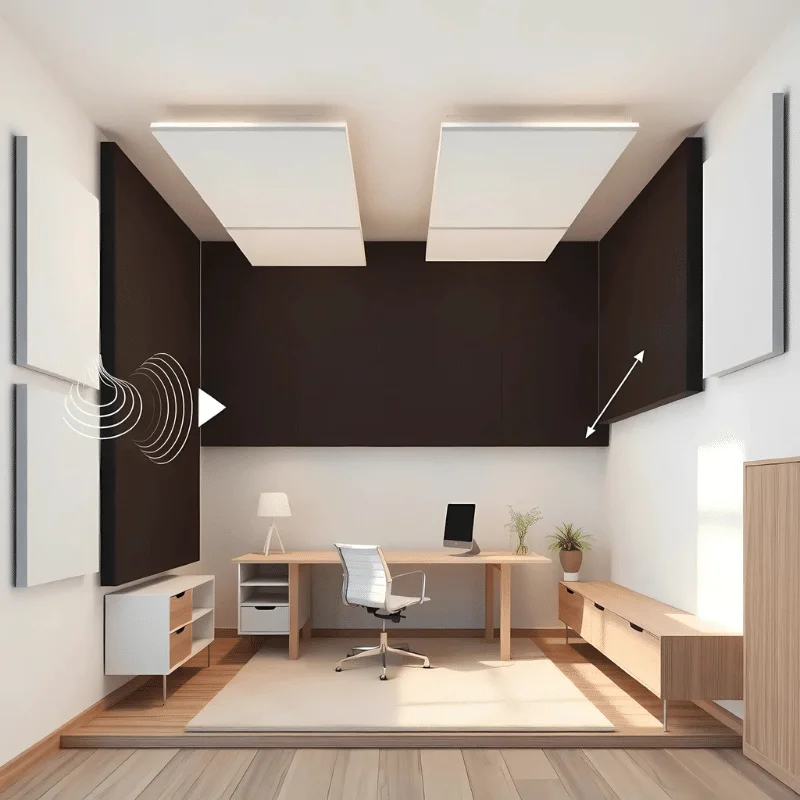
Why Choose De Walls for Soundproofing, Acoustic Treatment, and Noise Control Services?
Noise pollution is a pervasive issue in modern life, infiltrating homes, offices, and industrial
spaces across the United States. From the relentless hum of traffic in Houston the vibrant bustle
of Miami nightlife, to the industrial clatter in Los Angeles, unwanted noise disrupts peace,
productivity, and well-being. At De-Walls.com, we specialize in soundproofing services that
transform noisy environments into serene, functional spaces. Serving Texas, Florida, and
California, our expert team delivers tailored soundproofing solutions, noise reduction
strategies, and acoustic insulation to meet diverse needs. We are the ones who can bring peace
to your life with our top-notch noise control and sound insulation.
What Are Soundproofing Services?
Soundproofing services involve applying specialized techniques and materials to block, reduce,
or manage unwanted noise in residential, commercial, and industrial environments. Unlike basic
noise control, which may rely on temporary fixes, soundproofing creates long-term sound
isolation by preventing sound from entering or leaving a space. At De-Walls.com, we combine
acoustic treatment, sound dampening, and sound barriers to enhance privacy, comfort, and
functionality. Our services address two primary types of noise:
- Airborne Noise: Sounds that travel through the air, such as conversations, music, or
traffic. For example, in a Texas apartment, airborne noise might include a neighbor’s TV
or highway sounds penetrating walls. - Impact Noise: Sounds caused by physical vibrations, such as footsteps on an upstairsf
loor or machinery in a California factory. Soundproofing solutions reduce the transfer
of these vibrations.
Why Soundproofing Matters
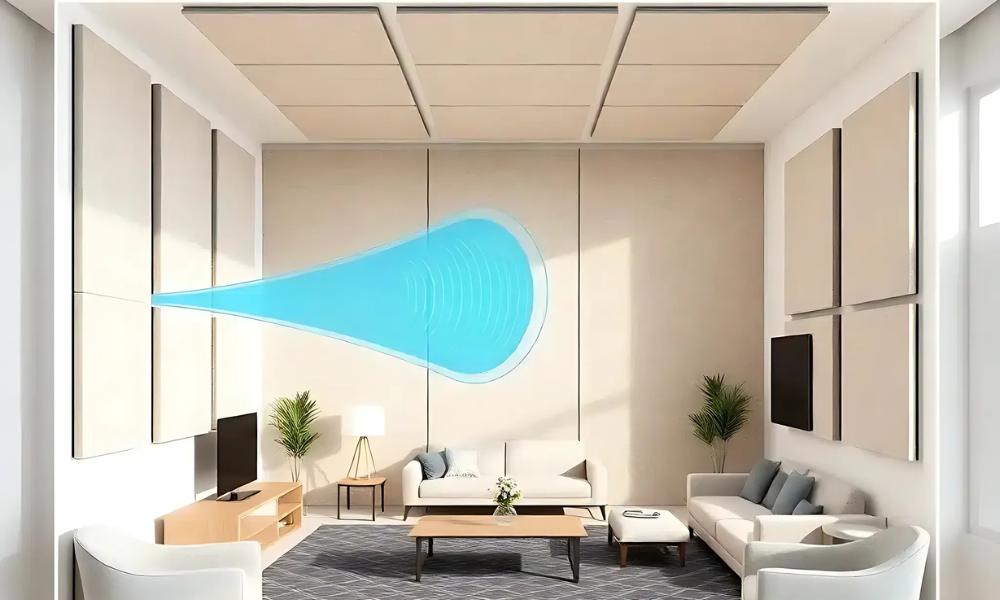
Noise pollution is more than a nuisance—it’s a health risk. Prolonged exposure to high decibel levels can cause stress, sleep issues, and hearing loss. In busy areas like Dallas, Fort Worth, or California’s tech hubs, soundproofing is essential for peace, privacy, and compliance. De-Walls solutions reduce disruptive noise, meet STC/IIC building codes, and help create quieter, healthier environments for homes and businesses.

Purpose of Soundproofing Services
The primary goal of soundproofing services is to control noise, creating environments that support privacy, comfort, and productivity. By addressing airborne and impact noise, soundproofing ensures that spaces function as intended, whether it’s a quiet bedroom in Frisco or a confidential office in Austin. The benefits of soundproofing extend beyond noise reduction, offering tangible improvements to daily life and business operations.
Benefits of Soundproofing
At De-Walls, we deliver soundproofing services that provide transformative advantages:
- Enhanced Privacy: In Florida medical facilities or Texas law firms, sound isolation ensures confidential conversations remain private, fostering trust and professionalism.
- Improved Comfort: Noise reduction creates tranquil environments for homes, hotels, or restaurants, enhancing the quality of life or customer experiences in California resorts or Houston residences.
- Increased Productivity: In open-plan offices or home offices in Sherman, sound dampening minimizes distractions, boosting focus and efficiency.
- Regulatory Compliance: Soundproofing helps properties meet strict noise ordinances and building codes, avoiding fines or tenant complaints in multi-family buildings.
- Health and Well-being: By reducing noise pollution, acoustic insulation lowers stress, improves sleep quality, and protects hearing in noisy urban areas like Texas.
Soundproofing Techniques: De-Walls Expertise
Effective soundproofing services rely on four core principles to control noise, each tailored to specific challenges:
- Adding Mass: Dense materials like mass-loaded vinyl (MLV) or soundproof drywall block sound waves, a cornerstone of soundproofing for walls, floors, and ceilings.
- Decoupling: Creating air gaps or using resilient channels to separate surfaces reduces vibration transfer, which is critical for sound isolation in multi-story buildings.
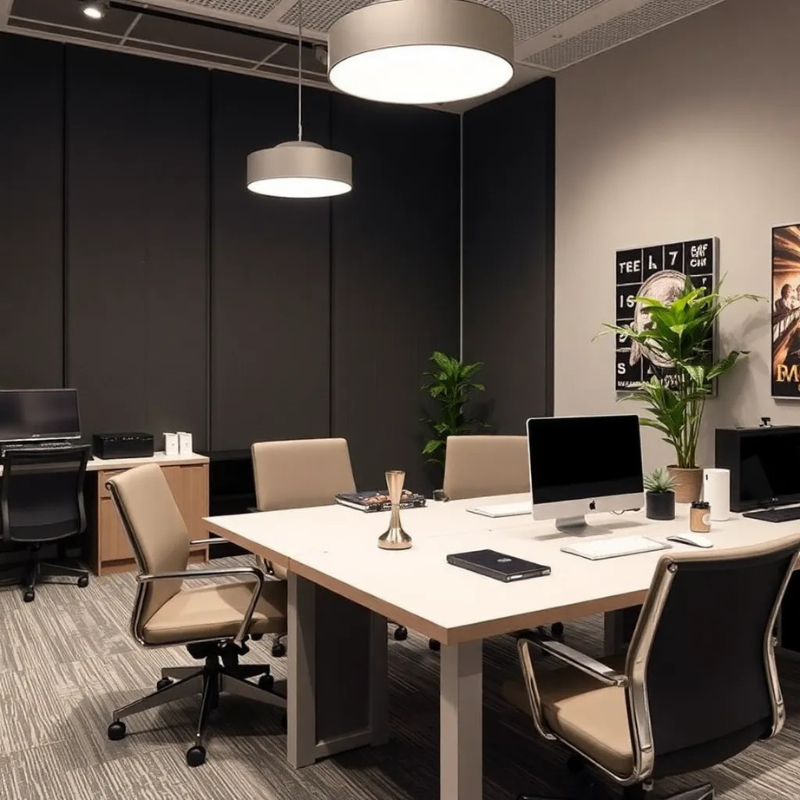
- Absorption: Materials like acoustic foam or panels absorb sound waves, minimizing echoes, a key component of acoustic treatment for studios or theaters.
- Sealing Gaps: Acoustic sealants or weatherstripping close gaps around doors, windows, or outlets, preventing sound leakage and enhancing noise control.
Common Soundproofing Techniques
De-Walls employs a range of advanced techniques to deliver soundproofing services across Texas, Florida, and California:
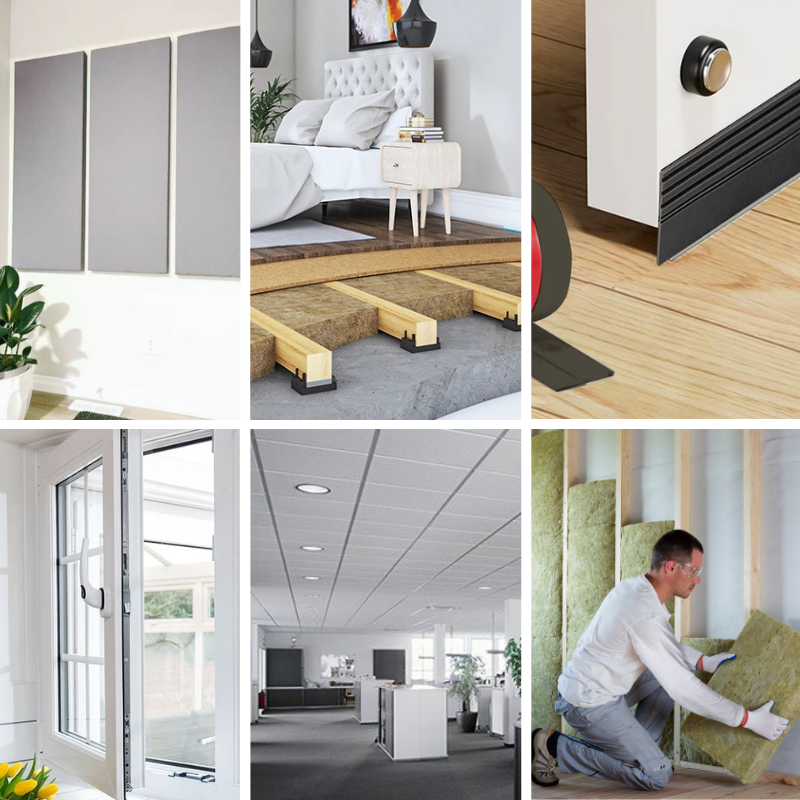
- Wall Soundproofing: We install MLV, soundproof drywall (e.g., QuietRock), or acoustic panels to block airborne noise. For high-performance sound isolation, we use resilient channels or build a “room within a room,” ideal for home studios in Austin or offices in Waco.
- Ceiling and Floor Soundproofing: To reduce impact noise, such as footsteps in a Florida condo, we install underlayments, joist isolators, acoustic ceiling tiles, and critical sound barriers for multi-family buildings.
- Door Soundproofing: Solid-core doors, automatic door bottoms, and gaskets prevent sound leakage, ensuring noise control in conference rooms or bedrooms.
- Window Soundproofing: Double- or triple-pane windows, window inserts, or soundproof curtains block external noise, perfect for homes near busy streets in San Antonio or Huston.
- Sound Masking: White noise or ambient sound systems cover disruptive noises, a cost-effective noise reduction solution for open-plan offices or hotels.
- HVAC Noise Control: Duct liners or silencers reduce noise from heating, ventilation, and air conditioning systems, enhancing sound dampening in commercial spaces.
Soundproofing Materials: The Foundation of Quiet
The success of soundproofing services hinges on high-quality materials, each designed for specific applications. De-Walls uses industry-leading products to deliver soundproofing solutions that stand the test of time:
- Mass-Loaded Vinyl (MLV): A dense, flexible material that blocks sound, ideal for walls, floors, or ceilings in Texas homes or California offices.
- Soundproof Drywall: Specialized drywall, such as QuietRock, with high STC ratings, provides superior sound isolation compared to standard drywall.
- Acoustic Panels: Available in fabric, foam, or fiberglass, these panels absorb sound waves, reducing echo in studios, restaurants, or auditoriums, a key part of acoustic treatment.
- Acoustic Foam: Lightweight foam panels enhance sound dampening in recording studios or home theaters, and they are popular in Florida’s creative communities.
- Resilient Channels: Metal strips that decouple drywall from studs, reducing vibration transfer for effective noise control.
- Green Glue: A viscoelastic compound applied between drywall layers dampens sound vibrations, boosting soundproofing performance.
- Soundproof Insulation: Materials like rock wool, cellulose, or spray foam offer high STC and NRC ratings, providing both acoustic insulation and thermal benefits.
- Underlayment: Rubber or cork layers under flooring reduce impact noise, which is a critical sound barrier in multi-story buildings.
- Acoustic Sealants: Non-hardening caulks seal gaps, preventing sound leaks in walls, doors, or windows.
- Soundproof Curtains: Heavy, dense curtains reduce noise through windows or divide spaces, offering a versatile noise reduction solution.
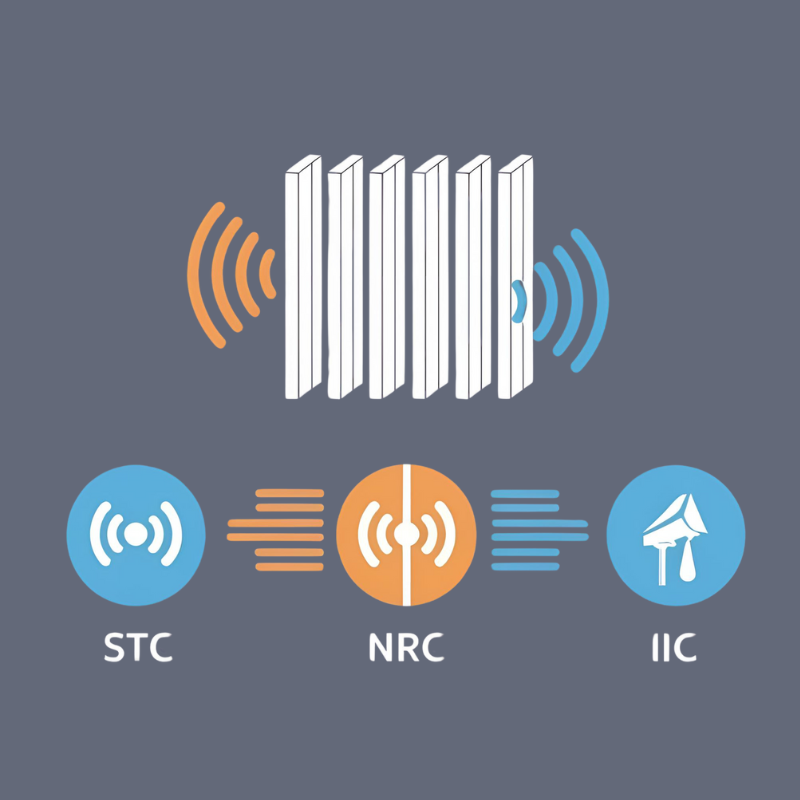
Material Ratings
Understanding material performance is crucial for selecting the right soundproofing solutions:
- Sound Transmission Class (STC): Measures a material’s ability to block airborne sound. Higher STC ratings (e.g., 40-50 for cellulose insulation) indicate better soundproofing performance.
- Noise Reduction Coefficient (NRC): Measures sound absorption, which is vital for acoustic treatment. Higher NRC ratings (e.g., 0.70 or above) indicate better echo reduction.
- Impact Insulation Class (IIC): Measures a material’s ability to block impact noise, essential for noise control in floors and ceilings.
Frequently Asked Questions
The cost of soundproofing a room varies depending on the project's size, materials, and complexity. For a standard room (e.g., a bedroom or home office in Houston), DIY soundproofing with materials like soundproof curtains or acoustic foam can cost $100–$500. Professional soundproofing services, such as those offered by De-Walls, typically range from $1,000 to $5,000, including materials like MLV, soundproof drywall, and labor for installation. Larger spaces, like Miami recording studios or Los Angeles home theaters, may cost $5,000–$15,000 due to advanced sound isolation techniques. Contact De-Walls for a personalized quote tailored to your needs.
The most effective soundproofing method combines multiple techniques to address both airborne and impact noise. At De-Walls, we recommend:
- Adding Mass: Install MLV or soundproof drywall (e.g., QuietRock) to block sound waves, which is ideal for Texas apartments or Florida condos.
- Decoupling: Use resilient channels or build a “room within a room” to reduce vibration transfer, which is critical for California studios.
- Absorption: Add acoustic panels or foam for acoustic treatment, reducing echo in Miami restaurants or Austin home offices.
- Sealing Gaps: Apply acoustic sealants to doors, windows, and outlets to prevent sound leakage.
Our professional soundproofing services integrate these methods for optimal results, ensuring comprehensive noise control. A consultation with De-Walls.com can identify the best approach for your space.
Yes, existing rooms can be soundproofed effectively, though the approach depends on the room’s structure and noise issues. De-Walls offers soundproofing solutions for existing spaces, including:
- Walls: Adding MLV or extra drywall layers with Green Glue for sound isolation.
- Ceilings and Floors: Installing acoustic ceiling tiles or underlayments to reduce impact noise is common in Florida condos.
- Windows and Doors: Soundproof curtains, window inserts, or solid-core doors block external noise in Los Angeles homes.
- HVAC Systems: Adding duct liners for noise reduction in Dallas offices.
- Retrofitting may require minor renovations, but our team minimizes disruption while maximizing soundproofing performance. Contact us to assess your existing room.
The best soundproofing materials depend on the application, but De-Walls recommends:
- Mass-Loaded Vinyl (MLV): Blocks airborne noise in walls, floors, or ceilings, ideal for Texas homes.
- Soundproof Drywall (e.g., QuietRock): Offers high STC ratings for sound isolation in California offices.
- Acoustic Panels/Foam: Absorbs sound waves for acoustic treatment in Miami studios or restaurants.
- Green Glue: Enhances sound dampening between drywall layers.
- Soundproof Insulation (e.g., rock wool): Provides acoustic insulation and thermal benefits for Florida condos.
- Resilient Channels: Reduces vibration transfer for noise control.
- Our materials are selected for high STC, NRC, and IIC ratings, ensuring optimal performance.
Yes, soundproofing is highly effective when done correctly, significantly reducing or eliminating unwanted noise. Professional soundproofing services, like those from De-Walls, can achieve STC ratings of 50 or higher, blocking most airborne noise (e.g., conversations, traffic) and impact noise (e.g., footsteps). For example, our sound isolation solutions in Miami condos reduce neighbor noise, while acoustic treatment in Austin studios eliminates echo. However, complete noise elimination is challenging due to structural transmission, so we combine sound barriers, noise control, and sound dampening for optimal results. Contact us to see how soundproofing can work for your space.
The time required to soundproof a room depends on the project’s scope and complexity. DIY soundproofing projects, such as installing soundproof curtains or acoustic foam in a Houston bedroom, can take 1–3 days. Professional soundproofing services by De-Walls typically take:
- Small Rooms (e.g., home offices): 2–5 days for basic soundproofing with MLV or acoustic panels.
- Medium Rooms (e.g., home theaters): 5–10 days for comprehensive sound isolation, including decoupling and sealing.
- Large Spaces (e.g., recording studios): 10–20 days for advanced acoustic treatment and sound barriers in Los Angeles.
Our Texas, Florida, and California teams work efficiently to minimize disruption. Schedule a consultation to get a timeline for your project.
Yes, soundproofing can increase property value, especially in noisy urban areas or multi-family buildings. Soundproofed properties are more attractive to buyers or renters seeking quiet, private spaces. For instance, a Houston home with sound isolation near a highway or a Florida condo with sound barriers between units can command higher prices. Soundproofing also enhances marketability by meeting building code requirements (e.g., STC 50 for multi-family walls). De-Walls professional soundproofing services add value through high-quality materials and installation. Get a quote to boost your property’s appeal.
Soundproofing can be environmentally friendly when using sustainable materials. De-Walls offers eco-friendly soundproofing solutions, such as:
- Recycled Insulation: Rock wool or cellulose made from recycled materials, popular in California for LEED-certified projects.
- Biodegradable Acoustic Panels: Reduces environmental impact in Florida homes or Texas offices.
- Low-VOC Sealants: Minimizes harmful emissions during installation.
Our sustainable sound barriers and acoustic insulation align with green building standards, reducing your carbon footprint. Contact us to explore eco-friendly soundproofing options for your project.